Your territory and its market, in one place.
For utility planning and resource adequacy teams: generation and the queue in your territory, load-zone prices and your own layers in one private workspace, with an agent that writes the brief.
Used by utilities and public power at








A week at the utility. Three moments, and what answers each one.
Planning the portfolio
“What's in our territory, and what's queued behind it?”
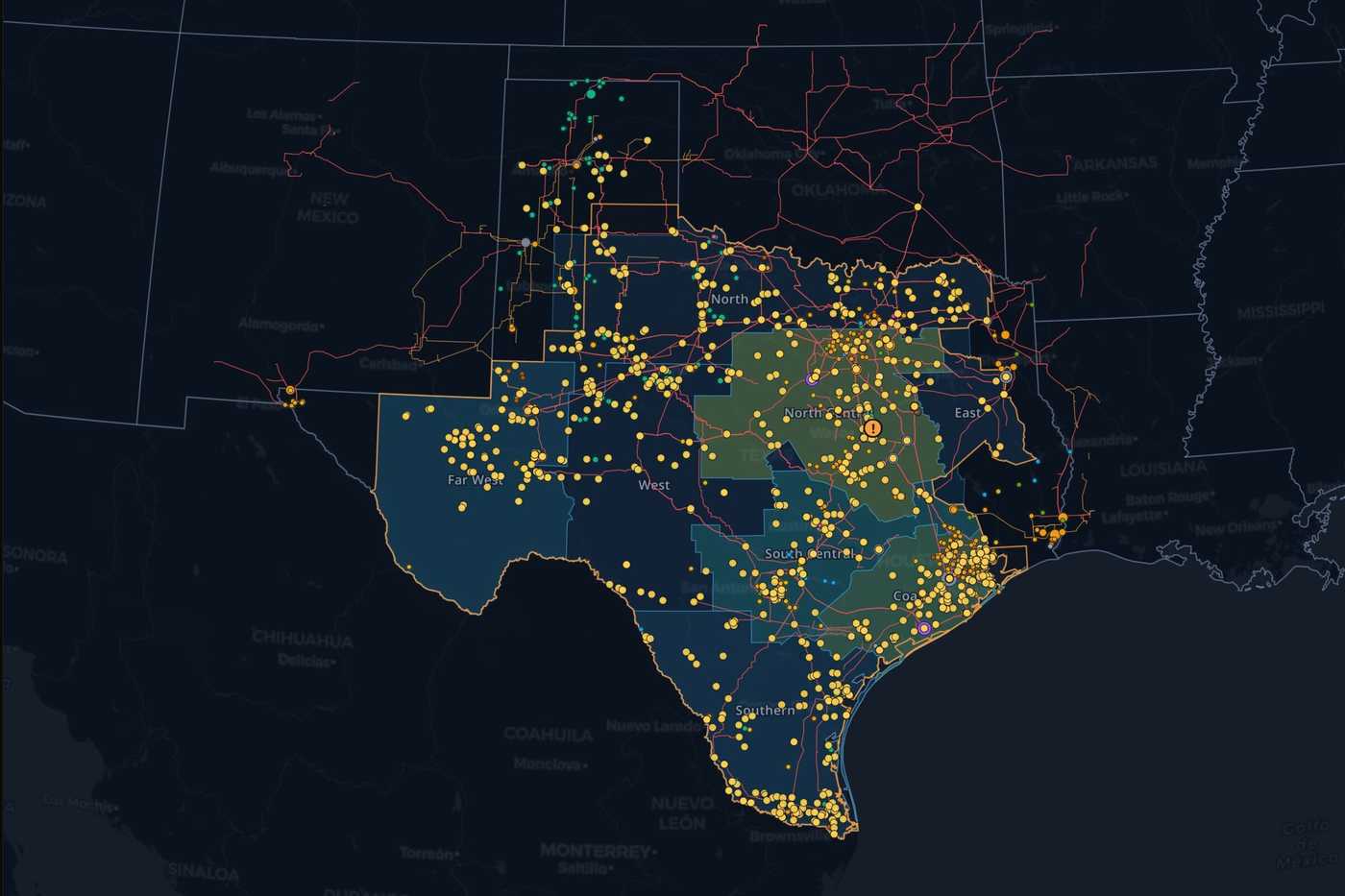
Generation, interconnection queue projects and the constraints around them on one map, with your own layers beside them for members only.
Showing resource adequacy
“Do we have enough for the evening ramp?”
Radar puts load, net load, reserves and prices beside their forecasts, so the hours that decide what to buy or sell are the first thing you see.
Briefing leadership
“Three points for the exec team.”
The agent writes a sourced brief on what changed in your territory and its market, ready to share with members or schedule as a report.
The data behind it. From the operators and agencies that publish it, with its source on every answer.
Generation
96 datasets- Fuel Mix Report · ERCOT
- Fuel Mix (Unified) · ERCOT
- Fuel Mix (5-minute) · ERCOT
Infrastructure
101 datasets- ERCOT Interconnection Queue · ERCOT
- CAISO Interconnection Queue · CAISO
- NYISO Interconnection Queue · NYISO
Congestion & Constraints
59 datasets- SCED Shadow Prices & Binding Constraints · ERCOT
- Day-Ahead Shadow Prices & Binding Constraints · ERCOT
- Constraint Shift Factors (Estimated) · ERCOT
Load
88 datasets- Hourly Historical System Load · ERCOT
- Load Forecast (MTLF) · ERCOT
- Current Supply, Demand & Intraday Forecast · ERCOT
Prices
83 datasets- Southern Hour-Ahead Auction Clearing Prices · Southern Company
- Southern Day-Ahead Auction Block Prices · Southern Company
- LMP by Settlement Point · ERCOT
Weather
8 datasets- Weather Forecast · NYISO
- High-Resolution Weather Forecast Grid · NOAA
- Line Rating Weather Validation · Ask the Grid
How to start.
Free
The live map, Radar, the grid agent and alerts across every live grid. No card.
- The market moments work on the free plan; your own layers and private workspace come with Enterprise
- Sign in with Google, Microsoft or email
Enterprise
A private workspace for your organization: your layers on the map, members-only sharing, team alerts, and an agent that marks what was private.
- SAML single sign-on, roles and access rules
- A service level agreement and a DPA