Stories
Data-driven stories from the US power grid — events like demand peaks and winter storms, told with an interactive map and the numbers behind them.
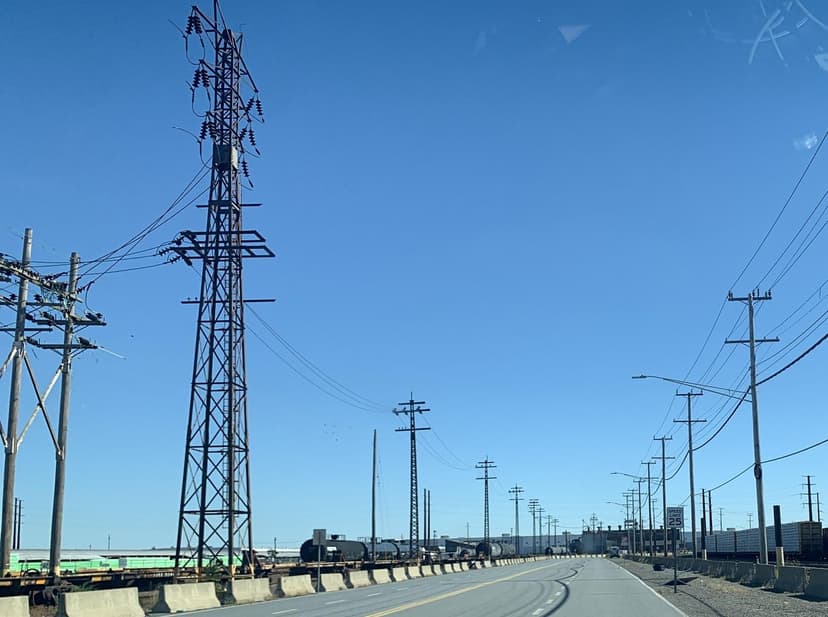
PJM Called Emergency Demand Response During Maintenance Season
Ask the Grid reconstructs September 17 using preliminary hourly load, same-day outage outlooks and verified real-time prices. Planned and maintenance work accounted for 71% of the outage outlook; the highest prices arrived two hours after the served-load peak.

PJM Proposes Ride-Through Rules After a 3.8 GW Load Transfer
The preliminary event record explains the difference between keeping a data center powered and keeping the grid balanced—and why PJM proposed voltage, frequency and recovery requirements.

Texas Approved 765-kV Lines Into the Permian. Load Growth Just Slowed.
Ask the Grid compared January-August operating hours across eight years: Far West demand growth fell from 13.8 percent to 1.0 percent, its peak hour dropped 7.2 percent in the warmest period of the series, and the West load zone's premium over the North hub went from $9.90 to $0.32. ERCOT's own nighttime reliability limit describes a different condition.

North Plains Connector Advances Toward Approval. Here Is the Seam It Would Cross.
Ask the Grid measured the corridor the North Plains Connector would serve: an hourly price correlation of 0.10 between Colstrip and Glendive against 0.31 or higher for every same-side pair tested, an average spread that changes direction twice a day, 2,290 hours with one end below zero while the other was above it, and a December day that ran from $836/MWh to negative $15 inside one state.
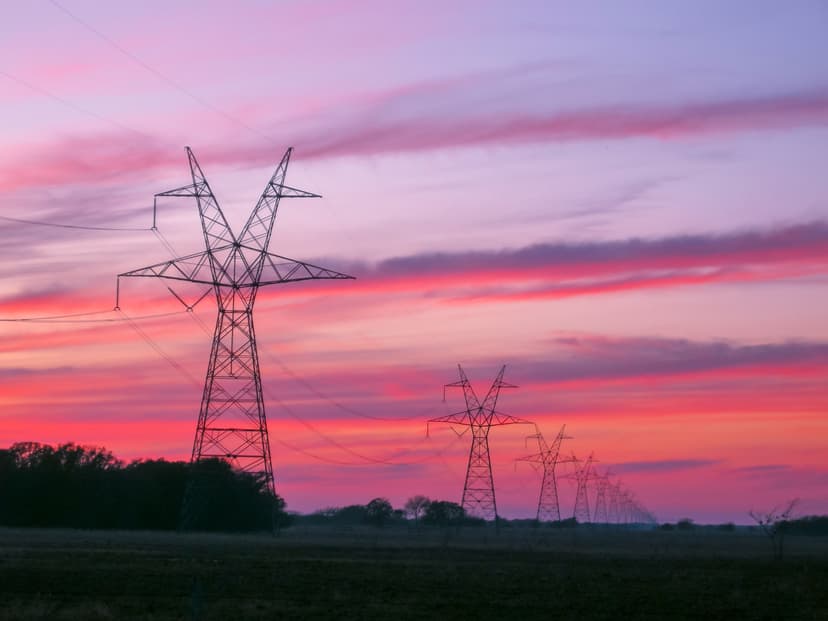
ERCOT’s Record Summer Extended Through the Night
A six-week analysis of EIA hourly data shows why sustained energy requirements and overnight demand add to Texas’s peak-day story.
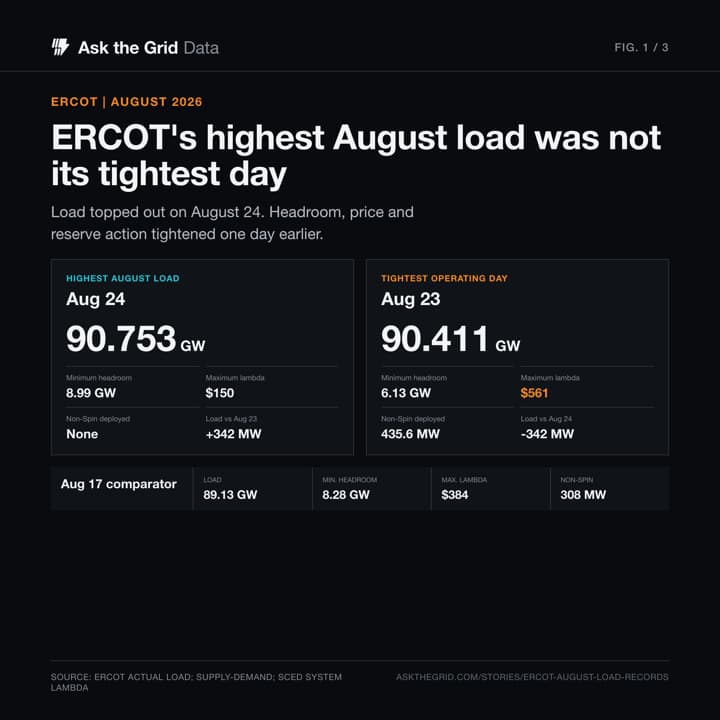
ERCOT's Highest August Load Wasn't Its Tightest Day
Ask the Grid compared load, committed-capacity headroom, reserve deployment, system lambda, storage output and nodal prices across ERCOT's hottest August operating days.

DOE Is Keeping Three PJM Units Open for Two Different Reliability Problems
Eddystone and Wagner are covered by the same emergency law, but their operating instructions, congestion exposure and long-term pathways show why they are not one reliability story.
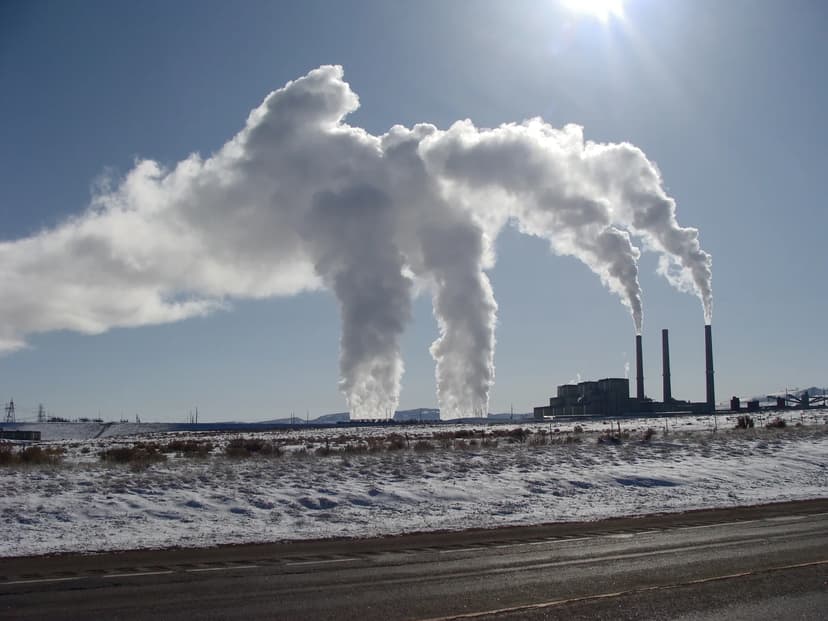
SPP's Grid Emergency Looked Very Different East and West
DOE's July 26 order gave SPP emergency authority over 4.85 GW of named generation and last-resort backup power at large loads. The market data shows where the system was actually tight, what supplied peak demand, and what the public record still does not establish.
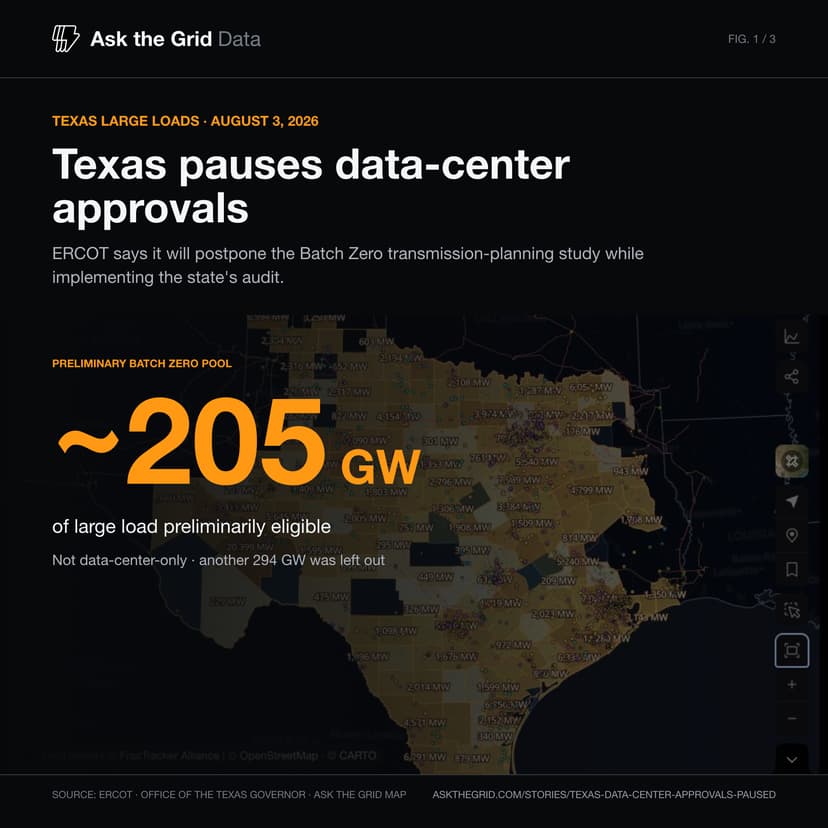
Texas Pauses Data-Center Approvals After ERCOT's 205-GW Preliminary Large-Load Screen
Texas paused additional data-center approvals after ERCOT's preliminary Batch Zero screen. Ask the Grid separates the large-load pool from the data-center audit and tests the requested fields against 70 facility records.
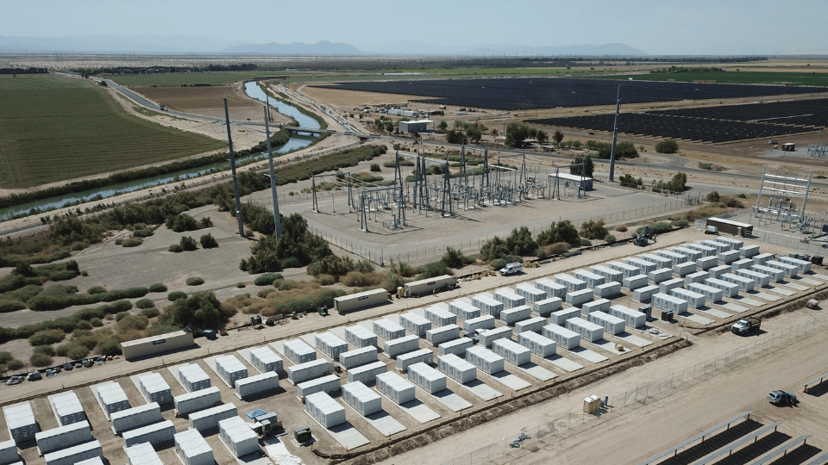
California's Batteries Are Reshaping the Solar Day
California's solar and battery headlines describe the same transition, but not the same operating problem. Ask the Grid reconstructs the May operating pattern and compares two later highs in CAISO's public battery-trend data — one measured against the containing hour's load, the other a raw output peak — recorded under very different nodal price conditions.

Goldman's RWE Deal Turns on a 1.2 GW Pipeline's Tax-Credit Status
An asset-level analysis of Goldman Sachs Alternatives' acquisition of RWE's U.S. distributed-generation business: the undisclosed tax-credit status behind its 1.2 GW pipeline, the platform's growth, geographic footprint and 2024 operating performance.

PJM Now Costs More Than It Did in the Gas Crisis
PJM's day-ahead power price in 2026 is running above the 2022 global gas crisis — while gas itself costs 39 percent less. The PJM-wide price never once cleared $500/MWh in the seven years through 2024; it has done so 77 times this year. And the morning before the conference, three gigawatts of Northern Virginia data-center load disconnected itself in five minutes. A briefing on FERC's Docket AD26-7-000, measured in the market data rather than the hearing transcript.
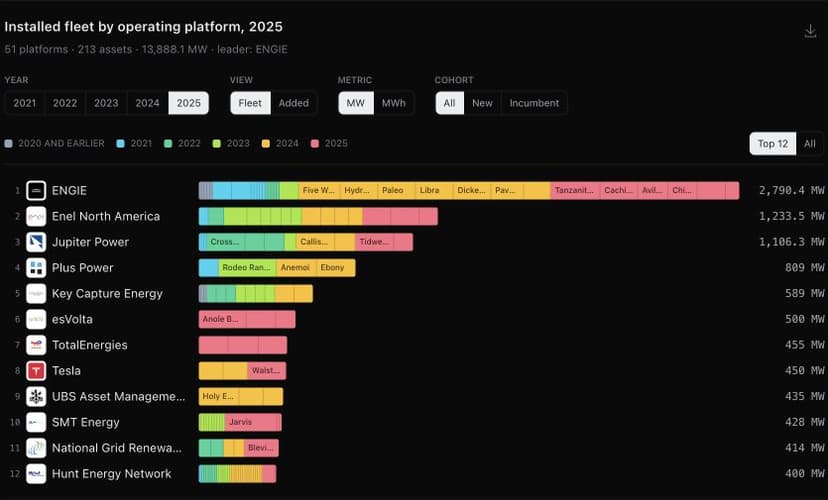
Texas's Battery Buildout Split Between Incumbents and Entrants
An asset-level view of the two operator cohorts reshaping ERCOT batteries, from ENGIE's expanding fleet and 17 first-time platforms to the 2026 projects now operating or still in the queue.
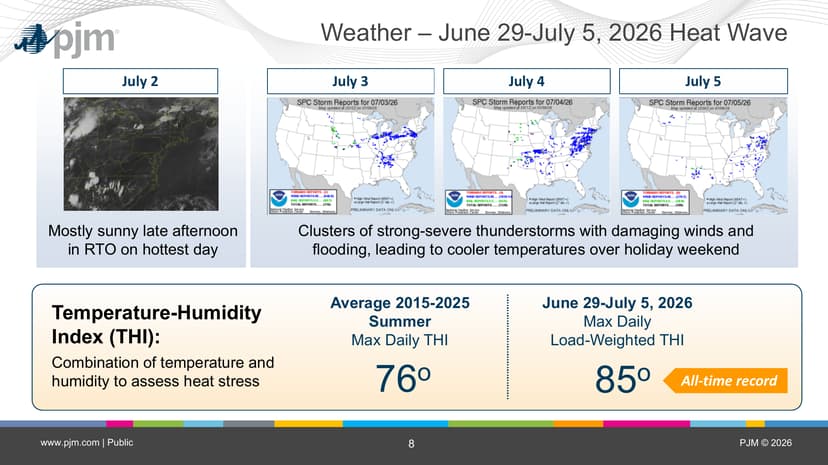
The Day PJM Broke Its Demand Record
PJM reported a preliminary all-time unrestricted peak during its hottest regional day, with 18.4 GW of generation outages at the July 2 peak. The data shows what ran, what PJM expected demand response to reduce, and why the public record does not prove that data centers were ordered onto backup generators.

The Batteries Winning ERCOT's New Market
ERCOT's real-time co-optimization went live in December 2025. A validated public-data leaderboard of the ten highest-yielding battery sites since, with their schedulers, shows the two strategies that win and the days the edge is made. Reconstructed from ERCOT disclosures, not a settlement statement.

New York's Grid Meets the Heat
One of the most intense heat waves in more than a decade drove New York demand to within 8 percent of its all-time record. The grid operator forecast the peak almost exactly, the New York City price spiked to nearly $1,847 a megawatt-hour, and the city's utility cut voltage to 400,000 customers to keep the lights on. A briefing from inside the event.

The April 2025 ERCOT Price Spike
No heat, no freeze, no outage declared, and load barely above 45 gigawatts. For about ninety minutes before dawn the ERCOT real-time price spiked nearly seventyfold and collapsed, set not by a crisis but by a thin maintenance calendar, a wind forecast that missed, and a windless hour before the sun came up. Walk the spike interval by interval.
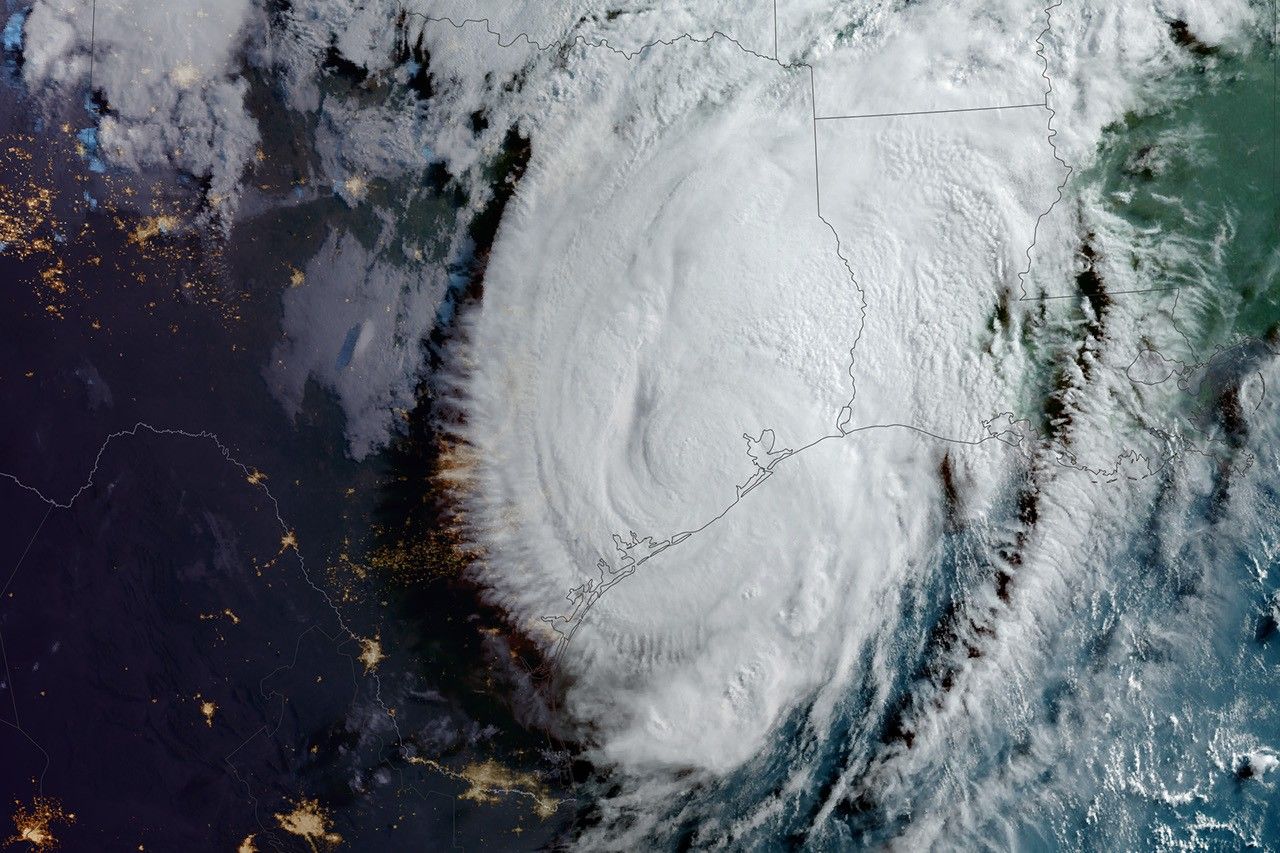
Hurricane Beryl: The 2024 Houston Blackout
Hurricane Beryl was the inverse of a heat wave: one city's demand collapsed, the price fell through the floor, and the lights stayed off for nine days into a 106-degree heat index that killed mostly the old. Walk the outage hour by hour, then read what the grid cannot show you.

The 2024 Solar Eclipse and the Texas Grid
The April 2024 eclipse cut ERCOT solar output by more than 90 percent in the span of a single hour, a supply shock the size of a small country's grid, perfectly predictable, planned for a week ahead, and absorbed without an emergency. Watch the mirror image of solar collapsing and gas rising on celestial time.

Winter Storm Uri: The 2021 Texas Grid Collapse
Winter Storm Uri drove ERCOT demand to an all-time winter peak while more than a thousand generating units froze offline. Walk the four days that nearly took the grid down, in the live data that recorded every hour of it.