How America’s power markets were built
ISO vs. RTO in U.S. electricity markets
An independent system operator (ISO) coordinates the high-voltage grid and can run a wholesale electricity market. A regional transmission organization (RTO) performs much of the same work and meets federal requirements for independence, regional scope, operating authority and reliability.
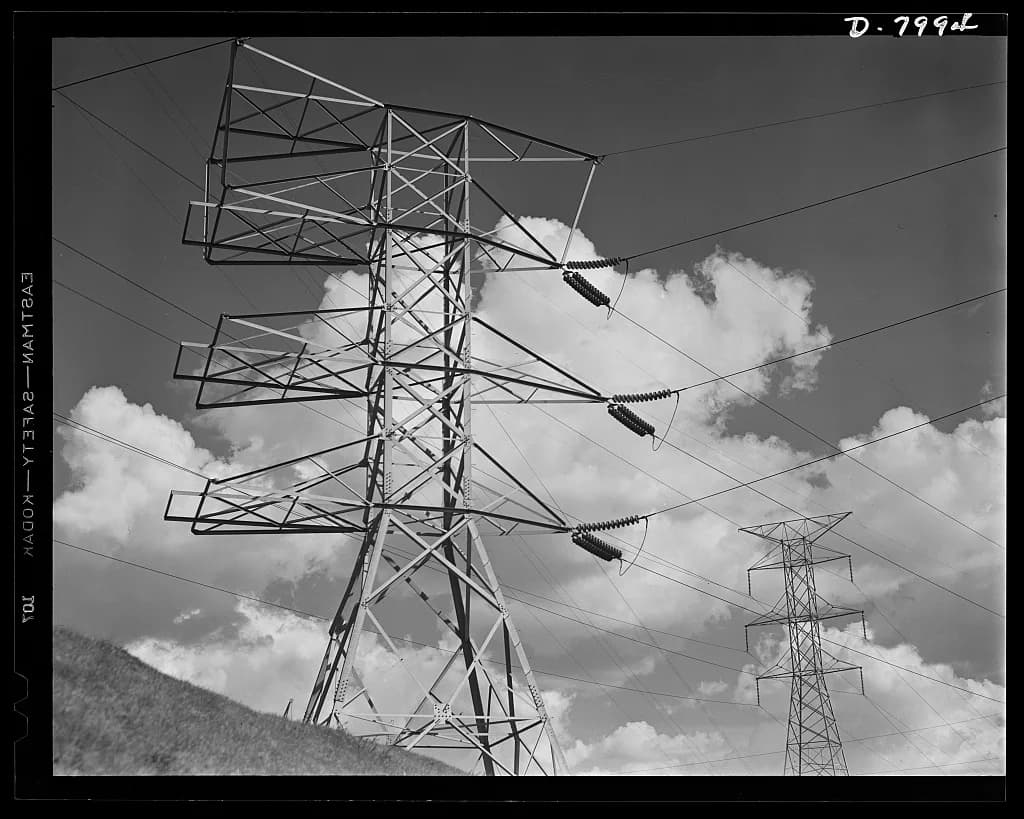
Map of U.S. ISOs and RTOs
Select a region or a date to see how the markets took shape. The dated maps below show what the regions looked like at the time.
Market milestones
1996
Open access to transmission
FERC Order 888 requires open, nondiscriminatory transmission access under its jurisdiction. Independent system operators are one way for utilities to provide it.
Read the seven market historiesHistoric maps of the first U.S. power markets
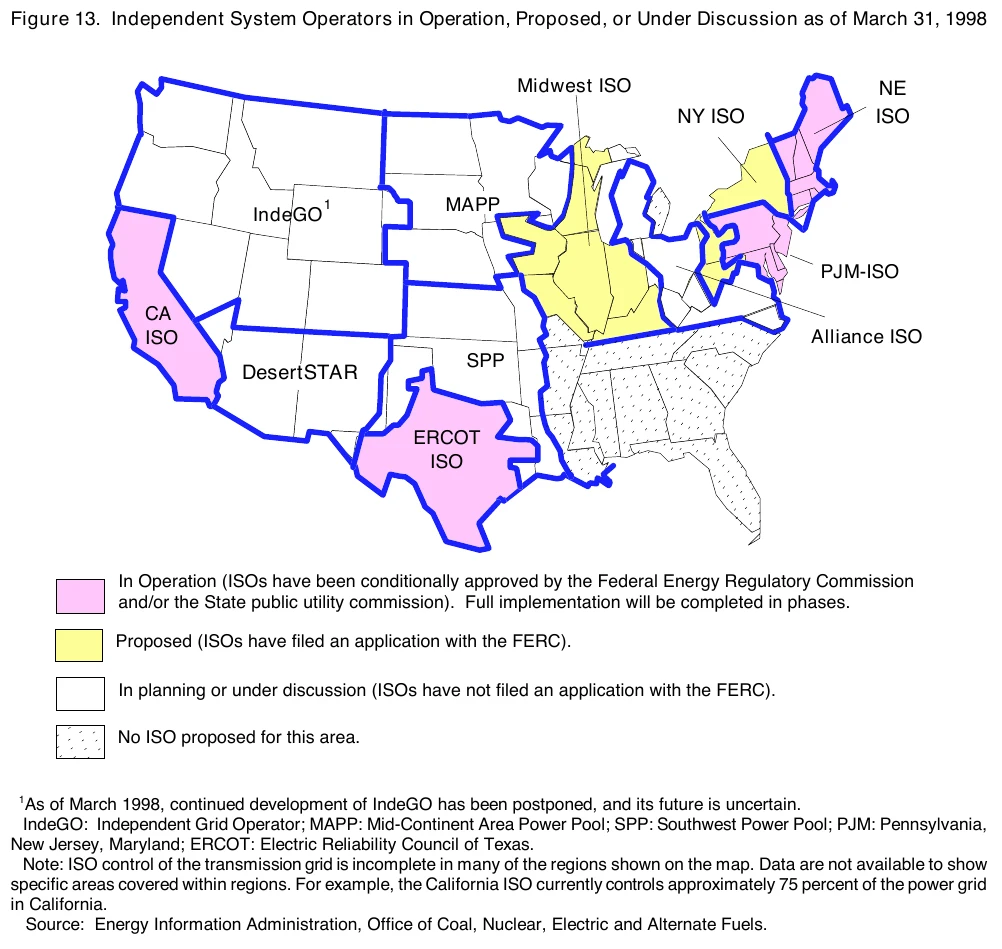
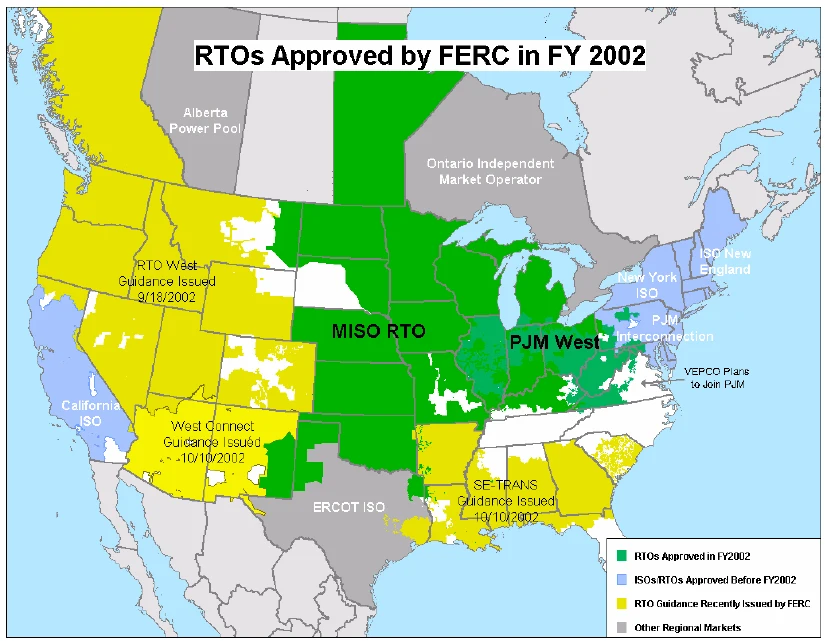
Federal maps from 1998 and 2002 show which grid operators were running, where new ones were proposed, and how much the map changed in four years.
March 1998 · The first ISOs
Fiscal 2002 · The early RTO approvals
What does an ISO or RTO do?
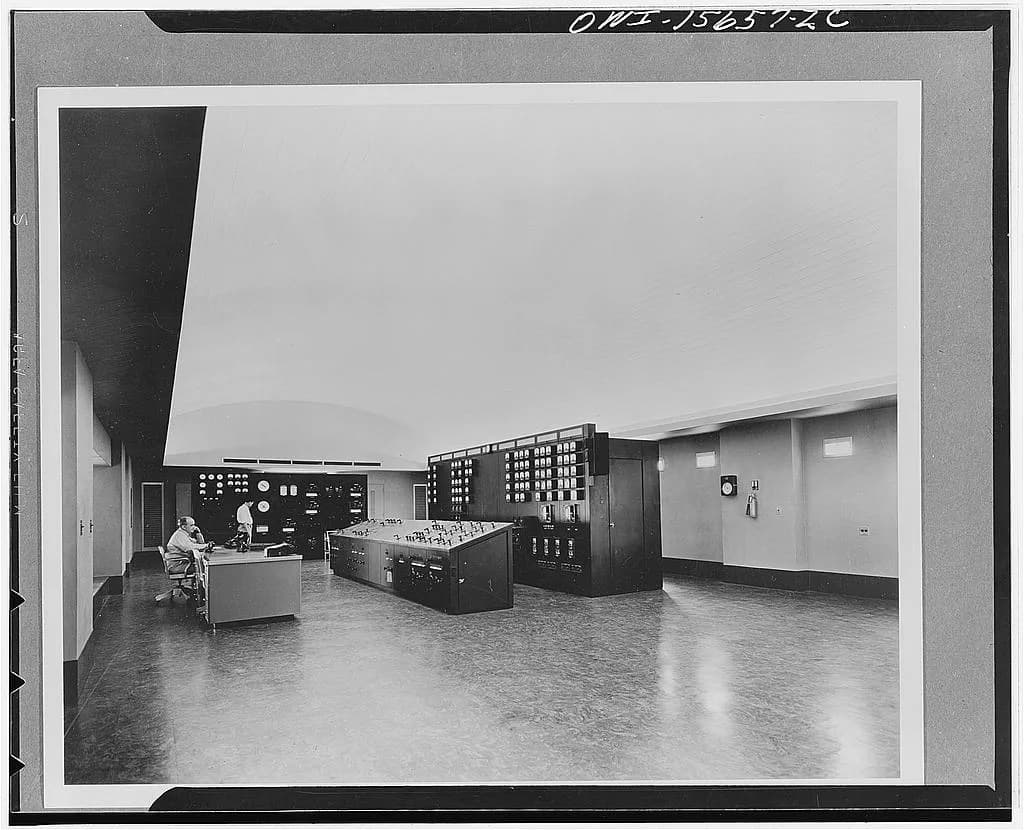
An operator balances supply and demand, schedules generators and manages congestion on the high-voltage lines. If a line into a city is full, the operator may need a more expensive plant inside the city. That can raise the wholesale price there even while electricity stays cheaper elsewhere.
Utilities and other transmission owners own and maintain the lines. The ISO or RTO coordinates how they’re used. Your local utility still delivers electricity and handles outages on the distribution lines serving your home.
FERC’s guide to wholesale markets · How congestion affects local prices
How the roles took shape
Most twentieth-century electricity customers were served by a utility that owned power plants, high-voltage lines and the local network. The utility planned the whole system to meet demand in its territory. Neighboring companies still had reasons to connect. A utility could borrow power during an outage, buy it from a lower-cost plant or participate in a pool that dispatched participating generators together.
Federal policy gradually widened the group of companies that could sell power. A 1978 law, the Public Utility Regulatory Policies Act, required utilities to buy from certain independent facilities at prices tied to what the utility could avoid spending on its own supply. The Energy Policy Act of 1992 eased entry for independent generators and gave FERC more authority to order transmission service when a seller needed a route to buyers. FERC’s history of open transmission access
Case-by-case access left a patchwork of arrangements. In 1996, FERC’s Order 888 required covered utilities to publish open-access terms and offer comparable service to outside users. Order 889 required access to information about transmission availability and prices. Independent operators gave utilities a way to put these decisions in the hands of an organization whose job was to run the network fairly. FERC’s account of the ISO and RTO orders
FERC’s Order 2000 defined what a regional transmission organization must do. It needs a region large enough to operate effectively, authority over its transmission system, responsibility for short-term reliability and independence from market participants. It also has to manage congestion, coordinate with neighbors and plan transmission across the region. Utilities formed RTOs at different times. Existing ISOs also continued operating, which helps explain why the operators’ names and legal designations differ. Read Order 2000
How blackouts changed reliability rules
The 1965 Northeast blackout exposed a problem that crosses company boundaries. A disturbance on one system can spread to others on the same interconnected grid. Regional reliability organizations began to develop common operating practices, and the industry formed the National Electric Reliability Council, the predecessor of today’s NERC, in 1968 to coordinate them. These practices were voluntary for decades.
The August 2003 blackout again spread across the Midwest, Northeast and Ontario. Congress responded in the Energy Policy Act of 2005 by creating a framework for mandatory reliability standards. Today NERC develops and enforces standards under FERC oversight, while grid operators apply those requirements as they plan and run their systems. Reliability standards apply across much of the bulk power system, including areas without an organized wholesale market. FERC’s history of electric reliability standards
How many ISOs and RTOs are there in the U.S.?
- Four RTOs
- PJM, MISO, SPP and ISO New England. ISO New England kept its name when it became an RTO.
- Two ISOs
- California ISO and the New York Independent System Operator operate under FERC’s wholesale market oversight.
- Texas
- ERCOT is also an ISO. Its wholesale electricity market is overseen by Texas.
These territories follow the utilities and facilities that participate. Illinois has parts of both PJM and MISO. El Paso is outside ERCOT even though it is in Texas. Market footprints also differ from the physical interconnections that keep generators synchronized. PJM and MISO share the Eastern Interconnection. SPP operates on both sides of the Eastern and Western seam and schedules exchanges over direct-current ties.
Much of the Southeast and Northwest still relies on utilities and direct contracts between buyers and sellers. An organized trading service can extend across some of those territories while local operators retain responsibility for reliability, transmission service and planning. Compare FERC’s regional market guides · Find your grid by state
Read the seven market histories
- ERCOT · 9 minWhy Does Texas Have Its Own Power Grid?From wartime power sharing to the Midnight Connection and Winter Storm Uri, here’s how ERCOT and the Texas power grid took shape.
- PJM · 9 minWhat Is PJM? How Three Utilities Built a Regional Power MarketHow PJM grew from a 1927 power pool into the grid operator for all or parts of 13 states, with its own energy, reserves and capacity markets.
- CAISO · 9 minThe California energy crisis and the market it changedA history of California ISO from deregulation and the 2000–01 electricity crisis to nodal pricing, renewable power and the Western day-ahead market.
- MISO · 9 minWhat Is MISO Energy? How the Midwest Built a Power MarketHow the Midcontinent Independent System Operator became the first FERC-approved RTO, opened its wholesale markets, expanded south, and began planning a regional transmission backbone.
- SPP · 9 minSouthwest Power Pool’s western expansion and how Markets+ fits inHow Southwest Power Pool grew from a 1941 utility pool into an RTO spanning two grids, and how its April 2026 western expansion differs from Markets+.
- NYISO · 9 minWhat Is NYISO? How New York Built Its Electricity MarketThe history of the New York Independent System Operator, from the 1965 blackout to today’s statewide wholesale market and eleven price zones.
- ISO-NE · 9 minISO New England: How the Electricity Market Was BuiltThe history of ISO New England, from the 1971 power pool to today’s energy and capacity markets and the challenge of keeping the grid supplied in winter.