 PJM MCP server
The PJM server lets your AI client search and query Ask the Grid's PJM market data. Search, schemas, queries and sign-in all stay inside PJM.
PJM Interconnection · PJM Market Data
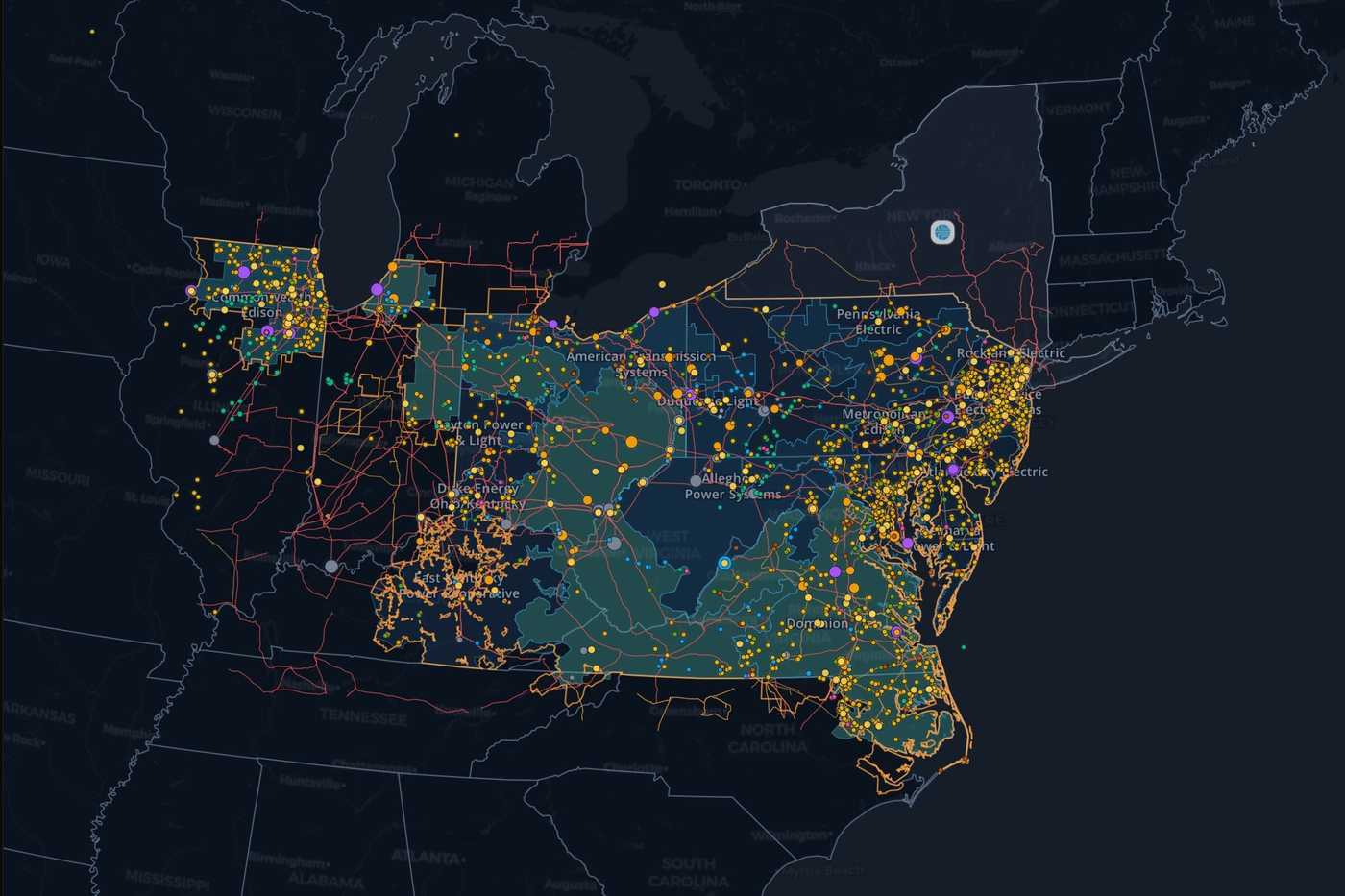
https://mcp.askthegrid.com/v1/pjm70
datasets
15
tools
PJM
scope
Streamable HTTP · protocol 2025-11-25 · all MCP servers
Connect it in about a minute
Pick your client. If you're signed in, any PJM access you've already approved shows here.
Checking your Ask the Grid session…
Connect with Claude
Add Ask the Grid as a custom connector, then authorize it with your existing account.
Claude Free (one custom connector), Pro, Max, Team, and Enterprise
- 01Open Customize → Connectors and add a custom web connector. Team and Enterprise connectors must first be added for the organization.
- 02Name it “Ask the Grid PJM,” paste the resource URL below, and review the OAuth settings. Choose automatic client registration if prompted.
- 03Add the connector, sign in to Ask the Grid, and approve the requested scopes.
- 04In a conversation, open + → Connectors and enable Ask the Grid PJM.
https://mcp.askthegrid.com/v1/pjm
Ask it PJM questions.
Compare PJM prices across the western and eastern zones today.
Show PJM load versus the most recent forecast for each hour.
Find large gas plants near a named PJM substation.
Get the published intelligence dossier for this plant, or request hydration if it is missing.
PJM market workflows
Each one opens the catalog entry for the table behind it.
70 PJM datasets, query-ready
The agent reads each table's source, schema, coverage and query notes before it writes a query.
pjm.rt_unverified_fivemin_lmpsPJM · 5-minuteReal-Time Hourly LMP (Verified)pjm.rt_hrl_lmpsPJM · hourly (settled ~18h lag)Day-Ahead Hourly LMPpjm.da_hrl_lmpsPJM · hourly (day-ahead)Instantaneous Loadpjm.inst_loadPJM · 5-minuteGeneration by Fuel Typepjm.gen_by_fuelPJM · hourlyGeneration Outages by Typepjm.gen_outages_by_typePJM · dailyVery Short-Term Load Forecastpjm.very_short_load_frcstPJM · sub-hourly (~2h horizon)Day-Ahead Transmission Constraintspjm.da_transconstraintsPJM · daily (day-ahead)- Authentication
- OAuth 2.1 with PKCE S256
- Market boundary
- PJM-only audience, allowlist, row caps, audited
- Default scopes
- mcp:catalog.read · mcp:grid.read · mcp:sql.read · mcp:assets.read
- Hydration scope
- mcp:assets.write — Enterprise approval required
Questions
- What can the PJM MCP server access?
- Only datasets registered for PJM. The server URL, the sign-in token, search results and every query are all limited to that market.
- Is this PJM MCP server operated by PJM Interconnection?
- No. Ask the Grid runs it independently. Every catalog record names the original publisher and links to the source, including PJM Market Data.
- How is MCP different from using PJM Market Data directly?
- The source portal stays the publication of record. The MCP server is built for an AI client: it can search Ask the Grid's catalog, read each table's schema and run read-only queries, with access limited to PJM.




Wire PJM into your agent.
Free with an Ask the Grid account.